Hit and Run Defense Lawyer in Mesa | The Arizona Law Firm
Real legal help from real Arizonans — talk to an attorney today in Mesa

What’s Covered on This Page
- Arizona Hit and Run Charges Break Into Two Very Different Cases
- Mesa Municipal Court vs. Maricopa County Superior Court
- Stopped and Exchanged Information? You May Not Need a Hit and Run Defense
- How a Defense Lawyer Reviews Your Case in the First 48 Hours
- What Drives the Cost of a Hit and Run Defense Case
- Related Links
- What’s the difference between a misdemeanor and felony hit and run charge in Mesa?
- I stopped and exchanged insurance information after the crash. Do I still need a hit and run defense lawyer?
- Will my hit and run case be heard in Mesa Municipal Court or Maricopa County Superior Court?
- What should I do in the first 48 hours after being charged with hit and run in Mesa?
- What happens when I first meet with a hit and run defense lawyer?
- Can a hit and run charge in Mesa be combined with other charges like DUI?
Arizona Hit and Run Charges Break Into Two Very Different Cases
Here’s the thing most people don’t realize until they’re sitting across from us. Not every hit and run gets treated the same. If you clipped a parked car and drove off, that’s one animal. If someone was hurt and you left anyway, that’s a completely different animal, and the state treats it that way too.

Property damage only cases usually get charged as misdemeanors. It’s still serious, it still goes on your record, but the penalties and the courtroom stakes are lighter. Once injury or death gets involved, the charge jumps to a felony. That single fact, whether anyone got hurt, changes everything about how the case gets built and defended.
- No injury, damage only: typically charged as a misdemeanor
- Injury to another person: felony charge, higher stakes
- Death involved: the most serious version, treated as a high-level felony
- Leaving before giving your name and info: can apply even in minor fender benders
We’ve seen clients panic over a parking lot scrape thinking they’re headed to prison. We’ve also seen people underestimate a case where someone was hurt. Neither reaction helps you. What matters is figuring out, fast, which category your case falls into and building the defense around that specific charge.
Mesa Municipal Court vs. Maricopa County Superior Court
Here’s something a lot of people don’t realize until they’re already in it. Not every hit and run case in Mesa lands in the same courtroom. Where your case gets heard depends on what happened, and that changes everything about how we defend it.
- Mesa Municipal Court usually handles misdemeanor hit and run cases, meaning property damage only and no one got hurt
- Maricopa County Superior Court takes over when there’s an injury, a death, or other factors that bump the charge up to a felony
- Municipal court moves faster and the penalties are lighter, but a felony record from Superior Court follows you for life
- The judge, the prosecutor, and even the plea process look different depending on which building you walk into
We’ve stood in front of both courts more times than we can count, and the difference in how each one operates is real. A Mesa Municipal Court judge might see a dozen hit and run cases a month. A Superior Court judge is weighing your case against armed robberies and homicides on the same docket. That context matters more than most people think.
Hit and run rarely stands alone, either. We often see it stacked with DUI or assault allegations, which is why our attorney works inside a broader Criminal Defense strategy from the start.
Knowing local courts and the people running them isn’t a bonus, it’s how you build a real plan instead of guessing.
Stopped and Exchanged Information? You May Not Need a Hit and Run Defense
Here’s something we tell people all the time. If you stopped after the crash, gave your name, and swapped insurance info, you probably don’t have a hit and run problem at all.
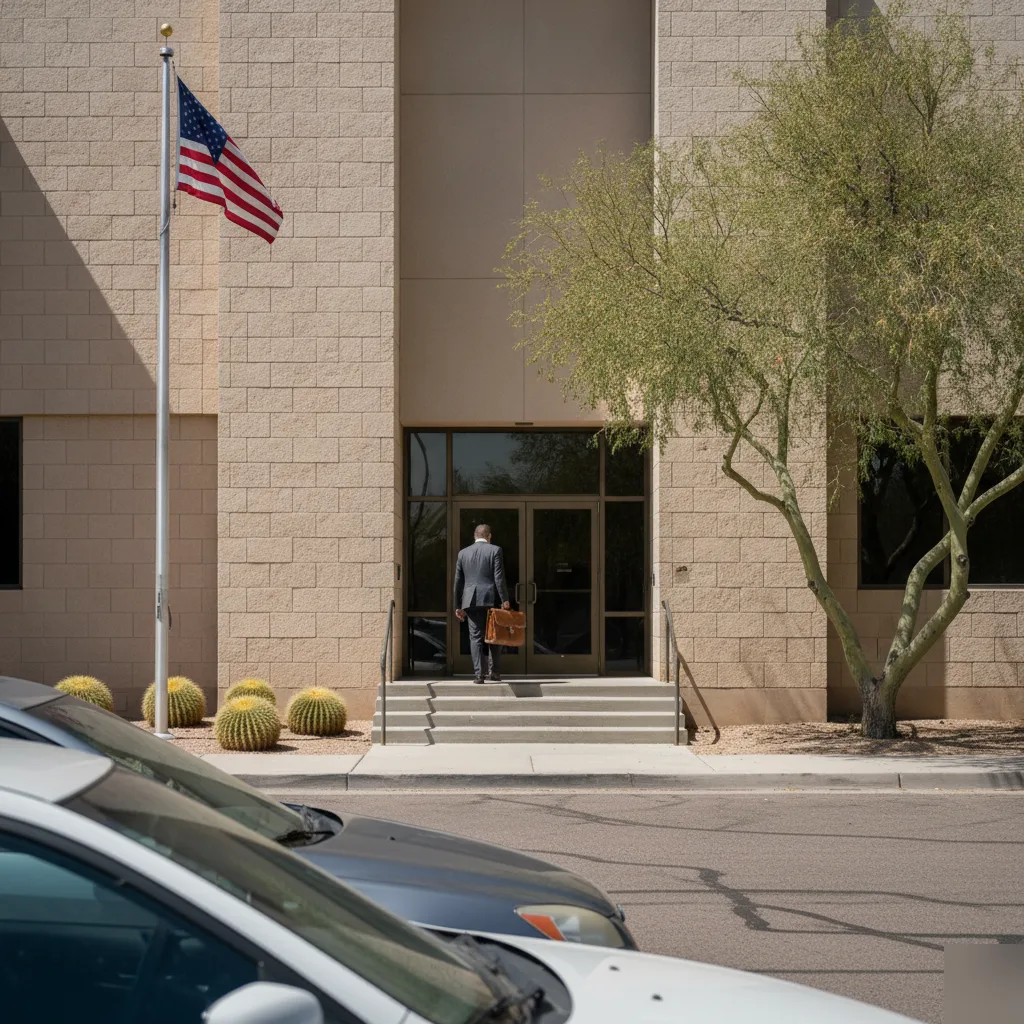
Arizona law cares about one thing above everything else: did you stay at the scene and share your information? Fender bender in a parking lot on Southern Avenue, you trade numbers, nobody’s hurt, that’s a property damage claim, not a criminal case. Same goes for a low speed tap in traffic near Dobson Road where both drivers pull over and talk it out.
We get calls from folks who panicked after a crash, thought they did something wrong, and just need to hear they’re fine.
That said, don’t assume you’re clear just because you feel like you handled it right. Did you leave a note if the other driver wasn’t there? Did you call it in? Small gaps in what happened right after the crash matter more than people expect. So if you’re not sure whether what you did counts as stopping, that’s worth a five minute phone call before you convince yourself everything’s settled. It’s a quick answer, but we’d rather tell you you’re fine than have you find out later a report got filed differently than you remember it.
Thinking about Hit and run defense lawyer? Let’s talk.
Call Now To Speak To An Attorney. The Arizona Law Firm is ready to help.
How a Defense Lawyer Reviews Your Case in the First 48 Hours
Here’s the truth about a hit and run case. The first two days matter more than almost anything else that happens after. Traffic camera footage gets overwritten. Witnesses forget details. Cars get repaired before anyone photographs the damage. So when a defense lawyer gets a call, we don’t wait around.
What do we do in those first 48 hours? It’s the same handful of moves, done fast.
- Pull the police report and see exactly what officers wrote down, including any description of the other vehicle or driver.
- Check whether surveillance video from nearby businesses or intersections still exists before it gets deleted.
- Find out if you’ve been charged yet, or if this is still under investigation.
- Review your version of events line by line, because small details change how a case gets built.
- Look at bail or release conditions if you’re already in custody, and push to get those addressed quickly.
We’ve seen this play out before, someone waits a week to call because they’re scared or embarrassed, and by then the footage that would’ve helped them is gone.
That’s the whole point of moving fast. A lawyer who reviews your case early can sometimes catch a mistaken identification, a missing element in the charge, or a witness whose story doesn’t line up. Wait too long, and those doors start closing on their own.
What Drives the Cost of a Hit and Run Defense Case
Every hit and run case is different, and that’s what drives the cost up or down. A misdemeanor case involving an unattended vehicle and no injuries takes a lot less work than a felony case tied to an incident with injuries. More work means more attorney hours. That’s just how it goes.
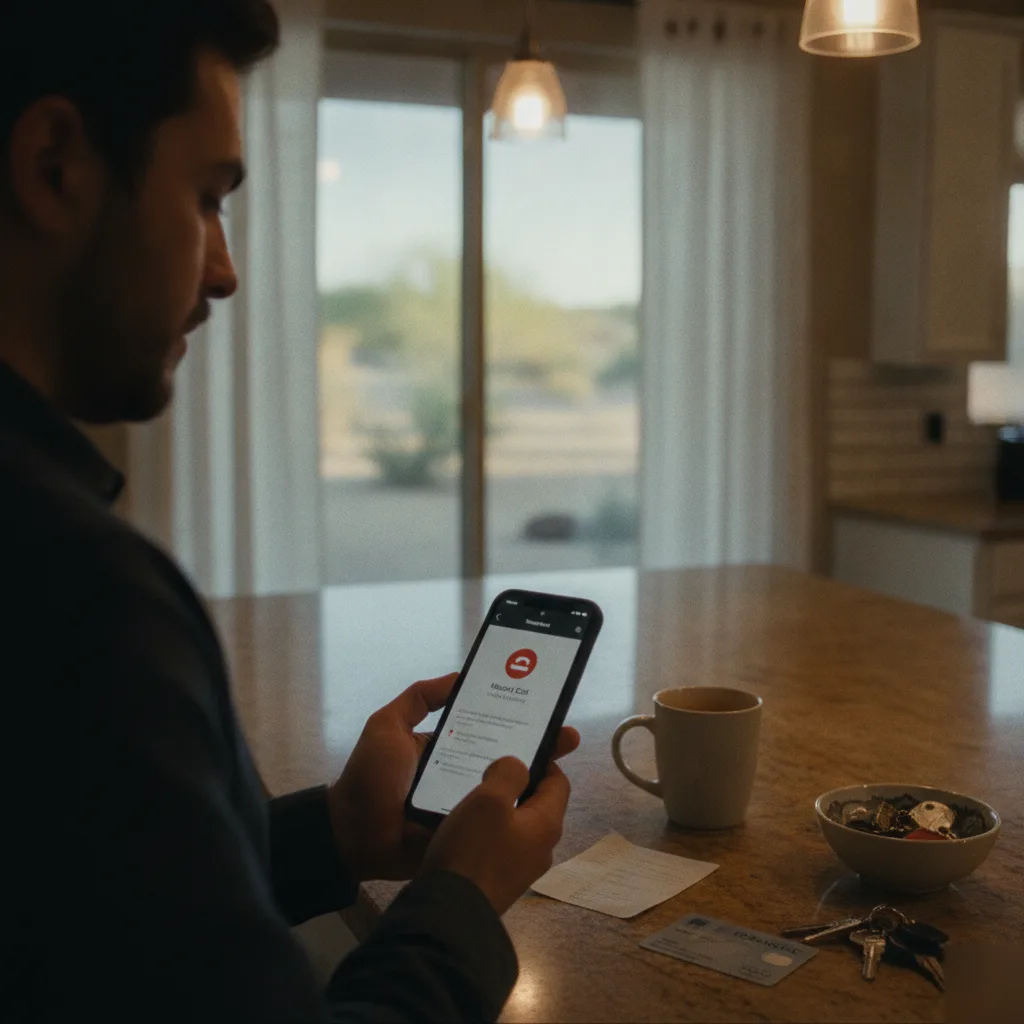
So what moves the number? A few things. Whether charges are misdemeanor or felony matters most, since felony cases usually mean more court dates, more evidence review, and sometimes expert input on things like vehicle damage or accident reconstruction. Prior criminal history plays a role too, it can change how a prosecutor approaches a plea.
- Whether the case is charged as a misdemeanor or a felony
- Whether there were injuries, property damage only, or a fatality involved
- How much evidence needs review, like dash cam footage, witness statements, or police reports
- Whether the case is likely to settle with a plea or head toward trial
- Prior criminal record, which can affect sentencing exposure and negotiation strategy
Here’s the thing most people don’t ask about until it’s too late. Before you hire anyone, ask what’s included in the fee. Does it cover pre-trial motions? What happens if the case goes to trial instead of settling? Get that in writing.
We see this every single week. Someone assumes their case is simple because no one got hurt, then finds out the vehicle involved belonged to a rental company or had a passenger who got hurt later. That changes everything about scope and cost. Ask questions early. It saves headaches later.
Frequently Asked Questions
Common questions about Hit and run defense lawyer
What’s the difference between a misdemeanor and felony hit and run charge in Mesa?
The difference comes down to whether anyone got hurt. If you left after hitting a parked car or causing only property damage, Mesa usually charges it as a misdemeanor. If someone was injured or killed, the charge jumps to a felony with much higher stakes. This one fact changes which court hears your case and how we build your defense. Figuring out which category applies to you is the first thing we do when you call.
I stopped and exchanged insurance information after the crash. Do I still need a hit and run defense lawyer?
Probably not, but it’s worth checking. Arizona law focuses on whether you stayed at the scene and shared your information. A fender bender on Southern Avenue or a slow tap near Dobson Road where both drivers pulled over and traded details usually isn’t a criminal case at all. Small gaps, like not calling it in or missing a note for a driver who wasn’t there, can matter more than people expect. A quick call can confirm you’re in the clear.
Will my hit and run case be heard in Mesa Municipal Court or Maricopa County Superior Court?
It depends on the severity of the charge. Mesa Municipal Court usually handles misdemeanor cases with property damage only, and these move faster with lighter penalties. Maricopa County Superior Court takes over once injury, death, or other factors push the charge to a felony. The judges, prosecutors, and plea process look different in each building, so knowing where your case lands early helps us plan the right approach for you.
What should I do in the first 48 hours after being charged with hit and run in Mesa?
Call a defense lawyer right away, because evidence disappears fast. Traffic camera footage gets overwritten, witnesses forget details, and cars get repaired before anyone photographs the damage. In those first two days, we pull the police report, check for nearby surveillance video, and review your version of events line by line. Waiting even a week can mean losing footage or witness accounts that could have helped your case. Acting quickly gives you more options.
What happens when I first meet with a hit and run defense lawyer?
We walk through what happened at the scene and pull the official record together. You’ll tell us your version of events, and we compare it against the police report and any available surveillance footage. We also check your bail or release conditions if you’re already in custody. This first conversation helps us figure out fast whether you’re facing a misdemeanor or felony, and what defense options make sense for your specific situation.
Can a hit and run charge in Mesa be combined with other charges like DUI?
Yes, this happens often. We regularly see hit and run charges stacked with DUI or assault allegations, which makes the case more complicated. When that happens, your defense needs to address all the charges together instead of one at a time. That’s why we look at your whole situation from the start, not just the hit and run piece, to build one plan that covers everything you’re facing.