Shoplifting Defense Lawyer in Mesa | The Arizona Law Firm
Real legal help from real Arizonans — talk to an attorney today in Mesa

What’s Covered on This Page
- Arizona Shoplifting Charges: Classification and Penalties
- What to Do During a Loss Prevention Stop
- When You Need a Shoplifting Defense Lawyer
- Court Process for Shoplifting Cases in Mesa
- Clearing Your Record After a Shoplifting Case
- What should I bring to my first meeting with a shoplifting defense lawyer?
- How long does a shoplifting case take to resolve in Mesa?
- Does every shoplifting incident in Mesa end up in Mesa Municipal Court?
- I already answered questions during a loss prevention stop. Can a lawyer still help me?
- Will a shoplifting charge show up on a background check?
- What’s the difference between a misdemeanor and a felony shoplifting charge in Mesa?
Arizona Shoplifting Charges: Classification and Penalties
Here’s the thing most people don’t realize until it’s too late. Shoplifting in Arizona isn’t its own separate crime with its own rulebook. It falls under the state’s general theft law, and prosecutors pick the charge level based mostly on dollar value and prior record.

Low-value first offenses usually get charged as misdemeanors. Push past a certain dollar amount, though, and you’re looking at a felony. Felony theft convictions can mean prison time, not just probation. That’s a huge jump, and a lot of clients walk into our office thinking a shoplifting case is minor. Sometimes it is. Sometimes it isn’t.
- Item value: higher-value merchandise pushes the charge toward felony territory
- Prior theft convictions: a second or third offense gets charged more harshly, even at lower dollar amounts
- Method used: things like tools to defeat security tags or organized retail theft schemes can add extra charges
- Store’s response: whether loss prevention detained you, called police, or handled it internally
We’ve had clients facing a felony over what felt like a small mistake. And we’ve seen misdemeanor cases dismissed entirely with the right approach early on. So don’t assume anything about your case until someone’s looked at the details. , the charge on paper looks scarier than what happened in the store.
What to Do During a Loss Prevention Stop
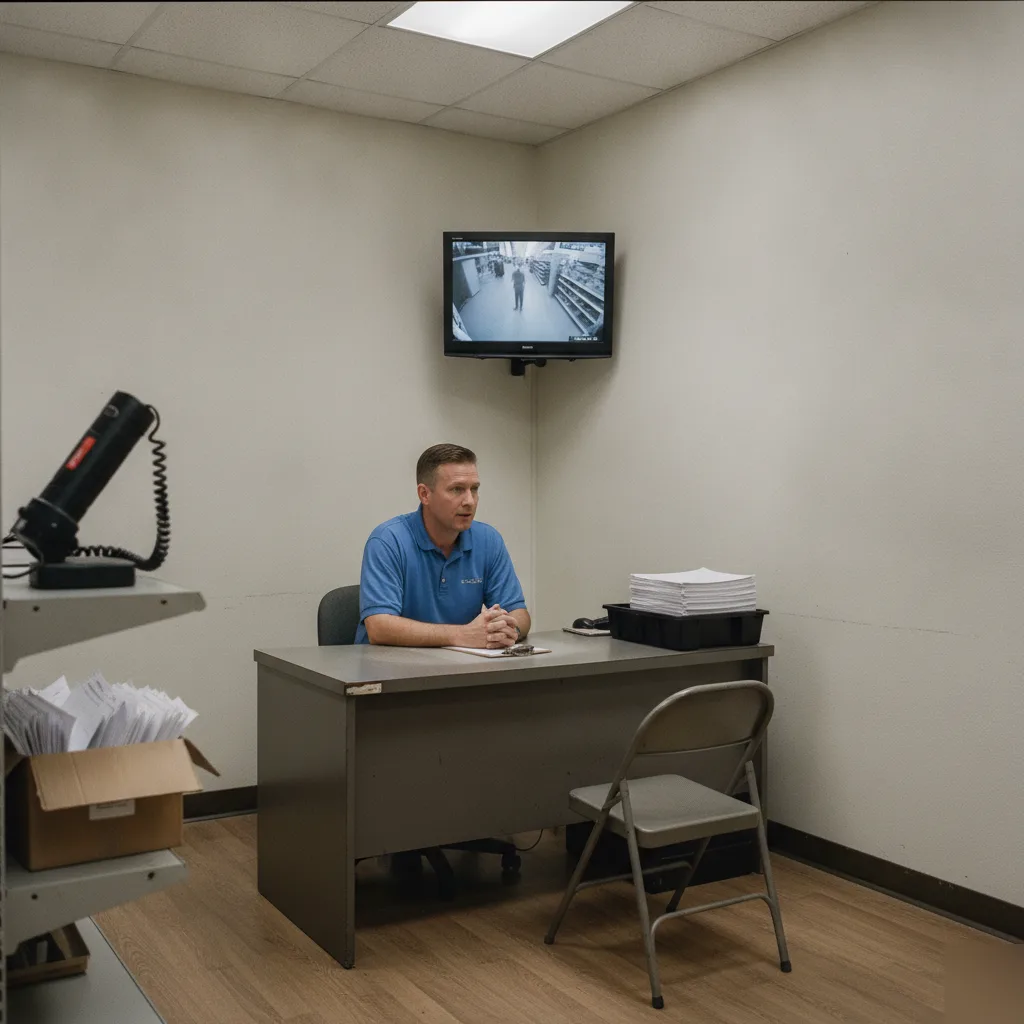
Here’s the thing nobody tells you at the mall. A loss prevention officer at a Superstition Springs store isn’t a cop, and they can’t force you to answer questions. But what you say in that back room can end up in a police report. We’ve seen this situation before, and it almost always goes the same way. Someone panics, tries to explain, and hands the store everything they need for a case.
- Stay calm and stop talking. You don’t have to explain yourself or admit anything on the spot.
- Ask if you’re being detained and whether you’re free to leave. Get a clear answer.
- Don’t sign anything. Stores sometimes push a written statement or a civil demand letter, and neither one requires your signature right there.
- Don’t hand over your phone or let anyone search your bag without a police officer present.
- Write down names, badge numbers, and what happened as soon as you can, while it’s fresh.
Once police show up, things change fast. That’s when this stops being a store problem and turns into a criminal one, which is exactly the kind of situation our the criminal defense case work covers.
So what if you already talked? It happens. Most people wait too long to call a shoplifting defense lawyer in Mesa, thinking the store will just let it go. Sometimes they do. A lot of the time, they don’t – and that gap between the stop and the citation is where your case either gets built up or torn down.
When You Need a Shoplifting Defense Lawyer
Not every shoplifting incident in Mesa turns into a criminal case that demands immediate legal representation. Many people receive a civil demand letter in the mail weeks after an incident at a store like Walmart, Fry’s Food Stores, or Ross Dress for Less, and understandably panic. If store loss prevention stopped you, took your information, and released you without police involvement, you may be dealing with a civil matter rather than a criminal charge.
- A civil demand letter citing Arizona Revised Statutes 12-611 or 12-612 asking for a monetary payment, with no mention of police or court dates
- A written trespass notice barring you from a specific retailer location, without any citation attached
- A verbal warning from store security with no paperwork and no police contact
- A formal citation issued by Mesa Police Department or a store’s off-duty officer, ordering you to appear in Mesa Municipal Court
- An actual arrest, booking, or release with a court date already assigned
- A summons mailed from Mesa Municipal Court or Maricopa County referencing a criminal shoplifting charge
If your situation falls into the first three categories, you are not automatically facing criminal prosecution, and hiring full representation on day one may be premature. That said, a brief consultation with a shoplifting defense lawyer is still worthwhile. An attorney can review the letter’s language, confirm whether police were notified, and tell you whether paying the civil demand creates any risk of admitting guilt in a future criminal proceeding. This costs little time and prevents costly mistakes, like paying a demand that doesn’t protect you from later charges.
The calculus changes completely once a formal citation, arrest, or court summons enters the picture. These documents mean the State of Arizona, not just a private retailer, is pursuing the matter, and Mesa Municipal Court or Maricopa County Superior Court will expect you to respond by a specific date. Missing an arraignment or failing to address a citation can result in a warrant. At this stage, waiting to hire counsel isn’t a matter of saving money, it’s a matter of protecting your record, your job prospects, and your ability to negotiate a favorable outcome before the case moves forward.
Ready when you are – get in touch today.
Call Now To Speak To An Attorney. The Arizona Law Firm is ready to help.
Court Process for Shoplifting Cases in Mesa
Where a shoplifting case lands depends almost entirely on the dollar value of the merchandise involved and the defendant’s prior record. Under Arizona law, shoplifting charges involving lower-value merchandise are typically charged as misdemeanors and heard in Mesa Municipal Court, located on East First Street in downtown Mesa. Higher-value theft, repeat offenses, or cases involving organized retail theft allegations can be elevated to felony charges, which move to Maricopa County Superior Court instead. This venue split matters because each court has different procedures, filing deadlines, judges, and prosecutorial staff.
In Mesa Municipal Court, the process generally starts with an arraignment, followed by pretrial conferences where a city prosecutor and defense counsel negotiate potential resolutions. Superior Court felony cases involve additional steps, including a preliminary hearing or grand jury process before arraignment, and generally take longer to resolve given the higher stakes and more complex evidentiary rules.
Many first-time or low-level shoplifting defendants ask about diversion programs as an alternative to a conviction. Diversion is not automatic. Eligibility depends on the specific facts of the case, including merchandise value, criminal history, whether force or a weapon was involved, and the individual prosecutor’s or city’s current diversion criteria. An attorney familiar with Mesa’s court practices can review the police report and charging documents early to determine whether diversion is realistically on the table, and can begin that conversation with the prosecutor before the first court date rather than after.
Having access to a defense attorney the same day charges are filed, or immediately after an arrest, often makes a measurable difference in outcomes. Early representation allows counsel to identify the correct venue, calendar deadlines accurately, and start building rapport with the assigned prosecutor before positions harden. Local familiarity with Mesa Municipal Court’s clerks, calendar quirks, and typical plea postures, as well as Superior Court’s felony calendar practices, helps keep cases moving efficiently through the right process from day one.
Fee structures in shoplifting defense generally follow one of two models: a flat fee covering representation through a defined stage of the case, or hourly billing for more unpredictable matters. The main cost drivers are the charge classification (misdemeanor versus felony), whether the case resolves through a plea or diversion versus proceeding to trial, and the number of court appearances required. Record sealing or expungement-related work, if pursued afterward, is typically billed as a separate service rather than bundled into the original defense fee, since it falls outside the criminal case itself.
Clearing Your Record After a Shoplifting Case
or resolving a shoplifting case in Mesa is only half the battle. A conviction, or even a dismissed charge that still shows up in a background check, can follow you for years, affecting job applications, housing approvals, and professional licensing. Most defense attorneys stop working once the case closes. We don’t. A meaningful shoplifting defense strategy includes a plan for what happens after the courtroom, and that plan increasingly centers on Arizona’s record sealing law.

Arizona Revised Statutes §13-911, which took effect in 2023, created a formal process for sealing eligible criminal records, including many shoplifting cases handled in Mesa Municipal Court, Mesa Justice Court, or Maricopa County Superior Court. Sealing a record means it becomes invisible to most background check systems used by employers and landlords, though law enforcement and certain government agencies can still access it. This is different from a full expungement or a Certificate of Second Chance, and choosing the right remedy depends heavily on how your specific case was classified and resolved.
Eligibility under §13-911 depends on two main factors: the classification of the offense and how much time has passed since the case concluded. Shoplifting charges in Arizona range from a class 1 misdemeanor to a class 6 or even class 4 felony depending on the value of merchandise and prior history. Generally, misdemeanor shoplifting cases become eligible for sealing sooner than felony convictions, and certain enhanced or repeat offenses face longer waiting periods or exclusions altogether.
- Class 2 or 3 misdemeanor shoplifting: typically eligible after completion of sentence, including any probation or restitution
- Class 1 misdemeanor shoplifting: eligible after a set waiting period following case completion
- Felony shoplifting convictions: longer waiting periods apply, and some enhanced offenses may be excluded
- Cases resulting in dismissal or acquittal: may qualify for a different, often faster, records remedy
We review the disposition of every closed shoplifting case we handle, or take on for a records consultation, to determine exactly when a sealing petition can be filed with the appropriate Maricopa County court and what documentation will strengthen the request. This proactive step is rarely offered by other Mesa defense firms once their retainer work ends, but it’s often the piece that protects your future.
Frequently Asked Questions
Common questions about Shoplifting defense lawyer
What should I bring to my first meeting with a shoplifting defense lawyer?
Bring any paperwork you received, whether it’s a civil demand letter, trespass notice, or a citation from Mesa Municipal Court. Also bring your ID and a written timeline of what happened, including dates, store names, and any names or badge numbers from loss prevention staff. If you already gave a statement to police or signed anything, bring copies of that too. The more documents you bring, the faster your lawyer can tell you exactly where your case stands.
How long does a shoplifting case take to resolve in Mesa?
It depends on whether you’re dealing with a civil demand letter or an actual criminal charge. A civil matter can often be resolved with one or two conversations, sometimes in days. A criminal case filed in Mesa Municipal Court or Maricopa County Superior Court usually takes longer, since it involves an arraignment date and possible negotiations before trial. Missing a court date can trigger a warrant, so acting fast keeps your timeline shorter, not longer.
Does every shoplifting incident in Mesa end up in Mesa Municipal Court?
No, not every incident reaches Mesa Municipal Court. If loss prevention released you without calling police, you may only be facing a civil demand letter, not a court date. But once Mesa Police Department issues a citation or you receive a summons from Mesa Municipal Court or Maricopa County, the State of Arizona is now involved, and you’ll need to respond by the date listed to avoid a warrant.
I already answered questions during a loss prevention stop. Can a lawyer still help me?
Yes, a lawyer can still help even if you already talked. What you said in that back room can end up in a police report, but it doesn’t automatically decide the outcome of your case. A shoplifting defense lawyer can review what was said, check whether your rights were respected, and work with what’s on record. Waiting longer to call only shrinks your options, so it’s better to reach out as soon as you realize what happened.
Will a shoplifting charge show up on a background check?
A conviction can show up on a background check, but an arrest or citation alone doesn’t always mean a conviction follows. Whether it’s charged as a misdemeanor or felony affects how it’s recorded and how long it stays visible. This is exactly why the outcome of your case matters for jobs and housing down the road, not just for avoiding a court date. Talking to a lawyer early gives you the best shot at limiting that long-term impact.
What’s the difference between a misdemeanor and a felony shoplifting charge in Mesa?
The difference usually comes down to the dollar value of the merchandise and your prior record. Lower-value, first-time incidents are typically charged as misdemeanors, while higher-value items or repeat offenses can push the charge into felony territory. A felony conviction carries the risk of prison time, not just probation, which is why it’s worth having someone review the specific value and circumstances of your case before assuming which category you fall into.